Our Hotel
Our Hotel
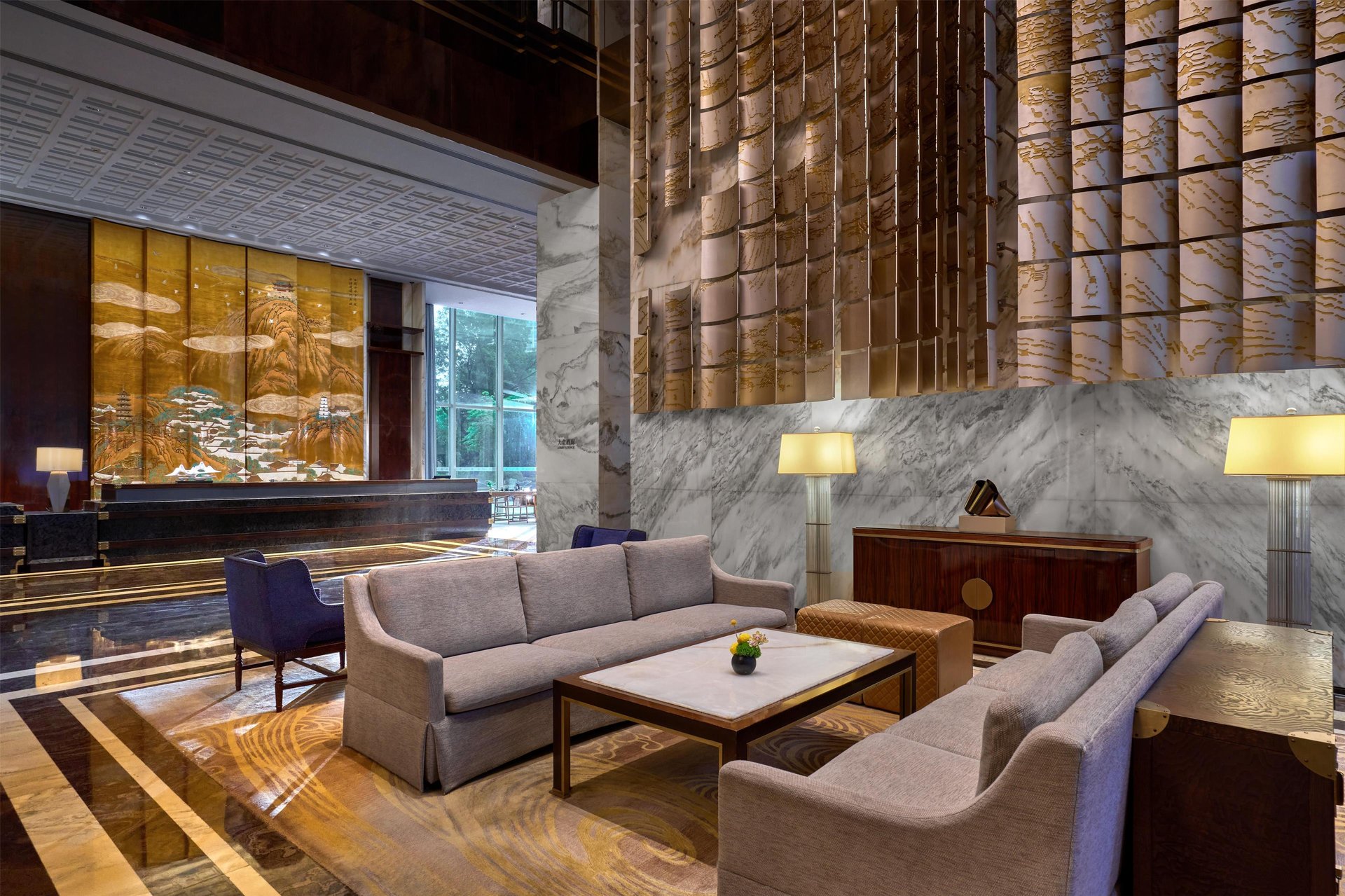
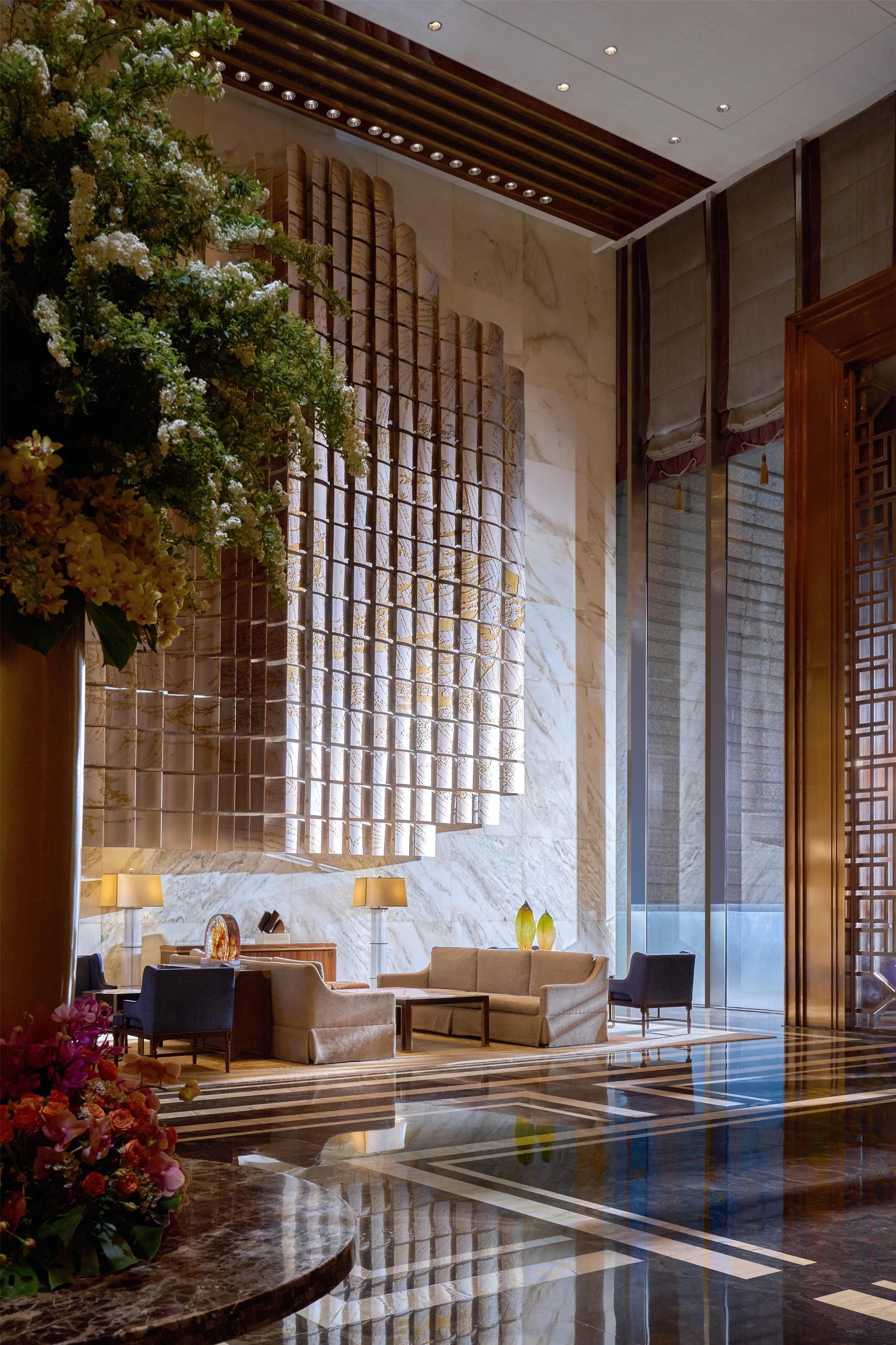
When guests arrive at Kempinski Hotel Fuzhou, two breath-taking art installations in the lobby capture their gaze. For the traveller at the end of a long journey, or the business executive at the start of a busy day, the artworks – and the hotel itself – are a gentle invitation to pause in the moment, to contemplate grace and beauty.
"Sailing"
The monumental "Sailing" is a collection of 366 individually engraved panels that catch the light and appear to flow and undulate like waves on the sea, evoking the Spirit of Water that has always sustained the city. The pieces soar skywards, recalling wind-filled sails that have brought voyagers to Fuzhou over many centuries. Together, the panels express a dynamic sense of movement and cooperation, of teamwork and unity.
"Landscape of Blessing"
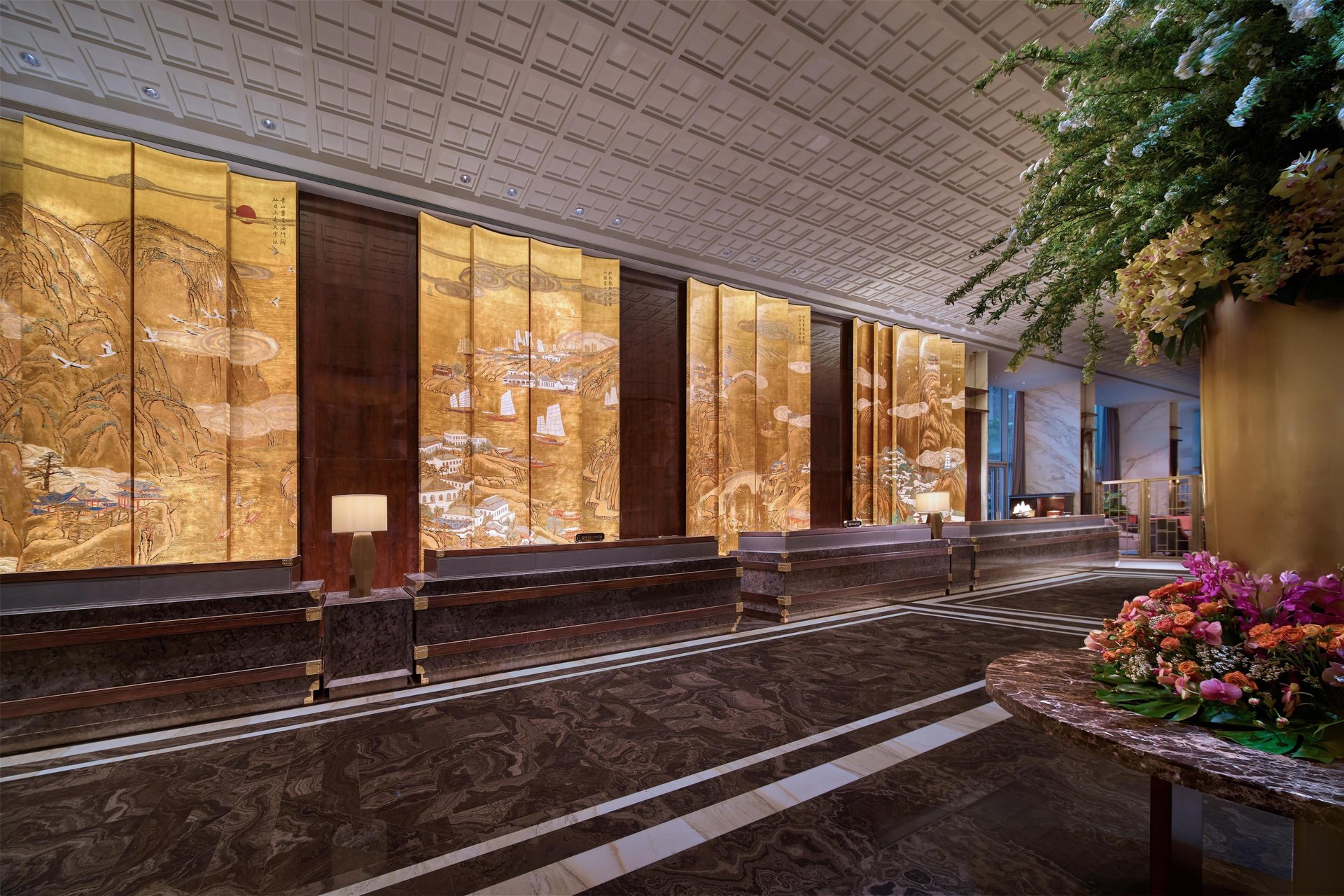
Behind the reception desk is a 100 sq m (1,076 sq ft) quadriptych in the classic lacquer work native to Fujian, a masterpiece by the dean of Fujian Youth Academy of Painting, Yao Kai. In luminous shades of ochre, jade green and gold, it depicts human influences blending harmoniously with the surrounding landscape of mountains, rivers and lakes. Sailing ships can be seen on the mighty Minjiang, a reminder of the origins of Fuzhou as an ancient maritime port. All are governed by the natural cycle of seasons – spring, summer, autumn and winter – that sweeps across the landscape, marking the inexorable passing of time.
or to enjoy up to 10% off your next stay.