Some of the data collected by this provider is for the purposes of personalization and measuring advertising effectiveness.
Cookies are small text files that can be used by websites to make a user's experience more efficient.
The law states that we can store cookies on your device if they are strictly necessary for the operation of this site. For all other types of cookies we need your permission.
This site uses different types of cookies. Some cookies are placed by third party services that appear on our pages.
You can at any time change or withdraw your consent from the Cookie Declaration on our website.
Learn more about who we are, how you can contact us and how we process personal data in our Privacy Policy.
Please state your consent ID and date when you contact us regarding your consent.
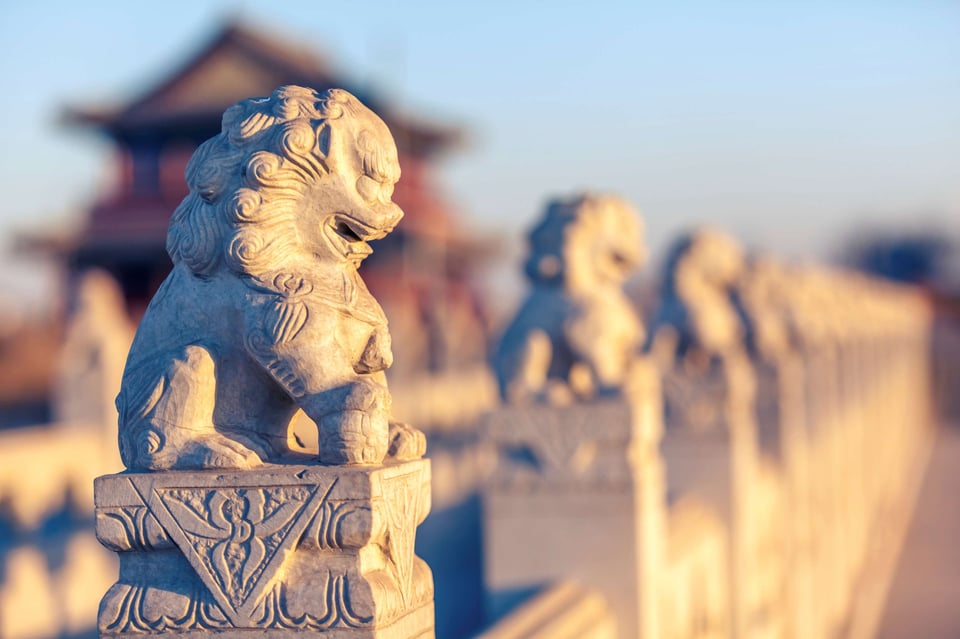
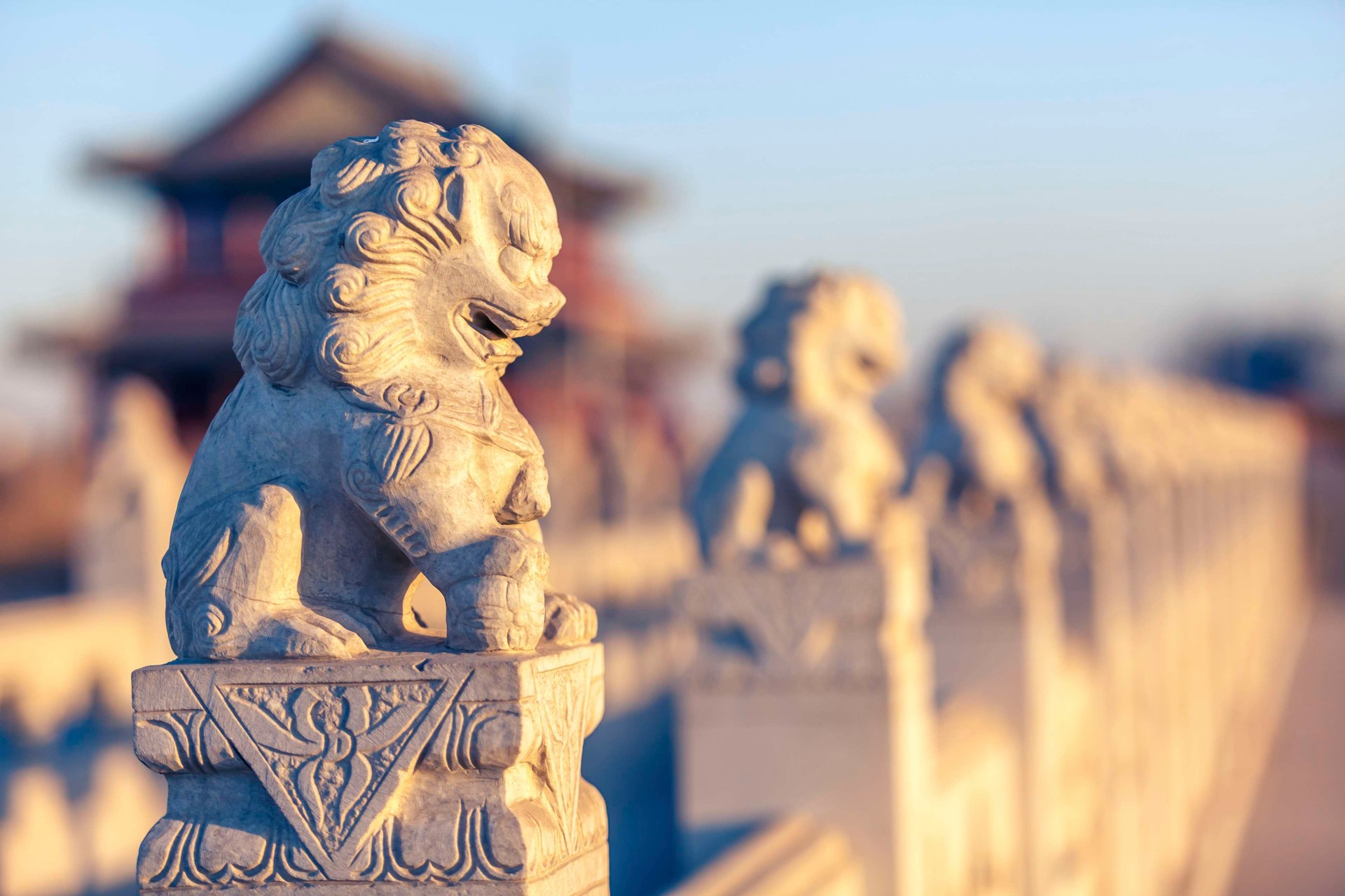
The world's largest collection of preserved ancient wooden structures, including incredible statues and reminders of China's ancient civilisational past, the Forbidden City and Tiananmen Square are important parts of Chinese culture.
Located at the very centre of Beijing, the two structures were built at the beginning of the 15th century. The Forbidden City, separated from the Tiananmen Square by the Tiananmen Gate, was home to many Chinese emperors between the Ming and Qing Dynasties and was declared a UNESCO World Heritage Site in 1987.
The Forbidden City consists of some 980 buildings and covers an area of 720,000sq m. Inside is the Palace Museum, which has an impressive collection of artworks from both the Ming and Qing dynasties. Tiananmen Square is also surrounded by historical sites, such as the Monument to the People's Heroes, the Great Hall of the People and the Mausoleum of Mao Zedong.