Some of the data collected by this provider is for the purposes of personalization and measuring advertising effectiveness.
Cookies are small text files that can be used by websites to make a user's experience more efficient.
The law states that we can store cookies on your device if they are strictly necessary for the operation of this site. For all other types of cookies we need your permission.
This site uses different types of cookies. Some cookies are placed by third party services that appear on our pages.
You can at any time change or withdraw your consent from the Cookie Declaration on our website.
Learn more about who we are, how you can contact us and how we process personal data in our Privacy Policy.
Please state your consent ID and date when you contact us regarding your consent.
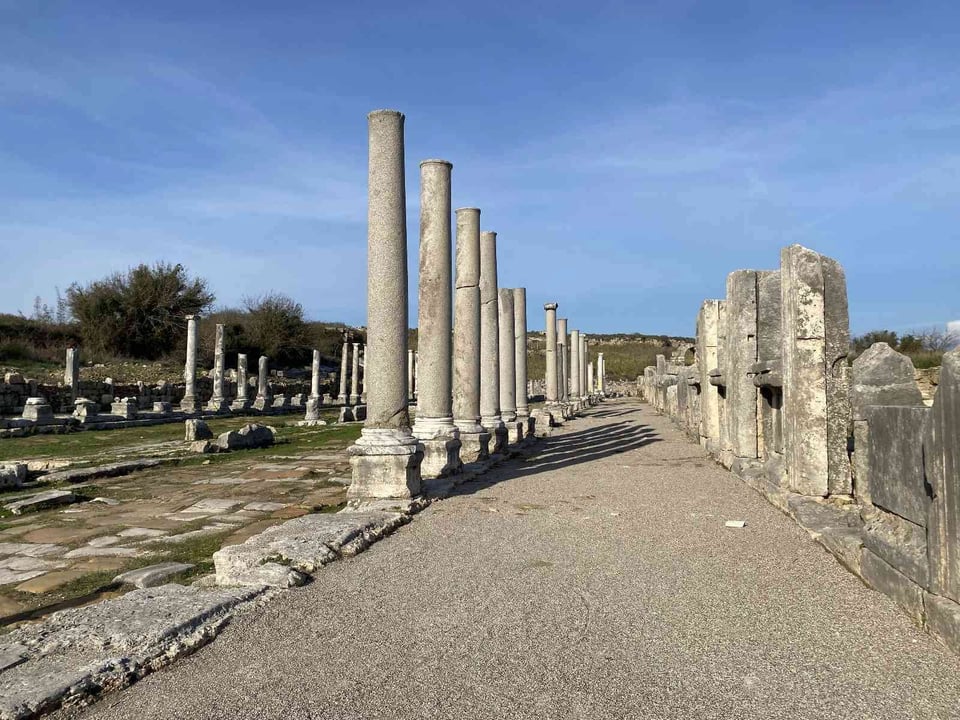
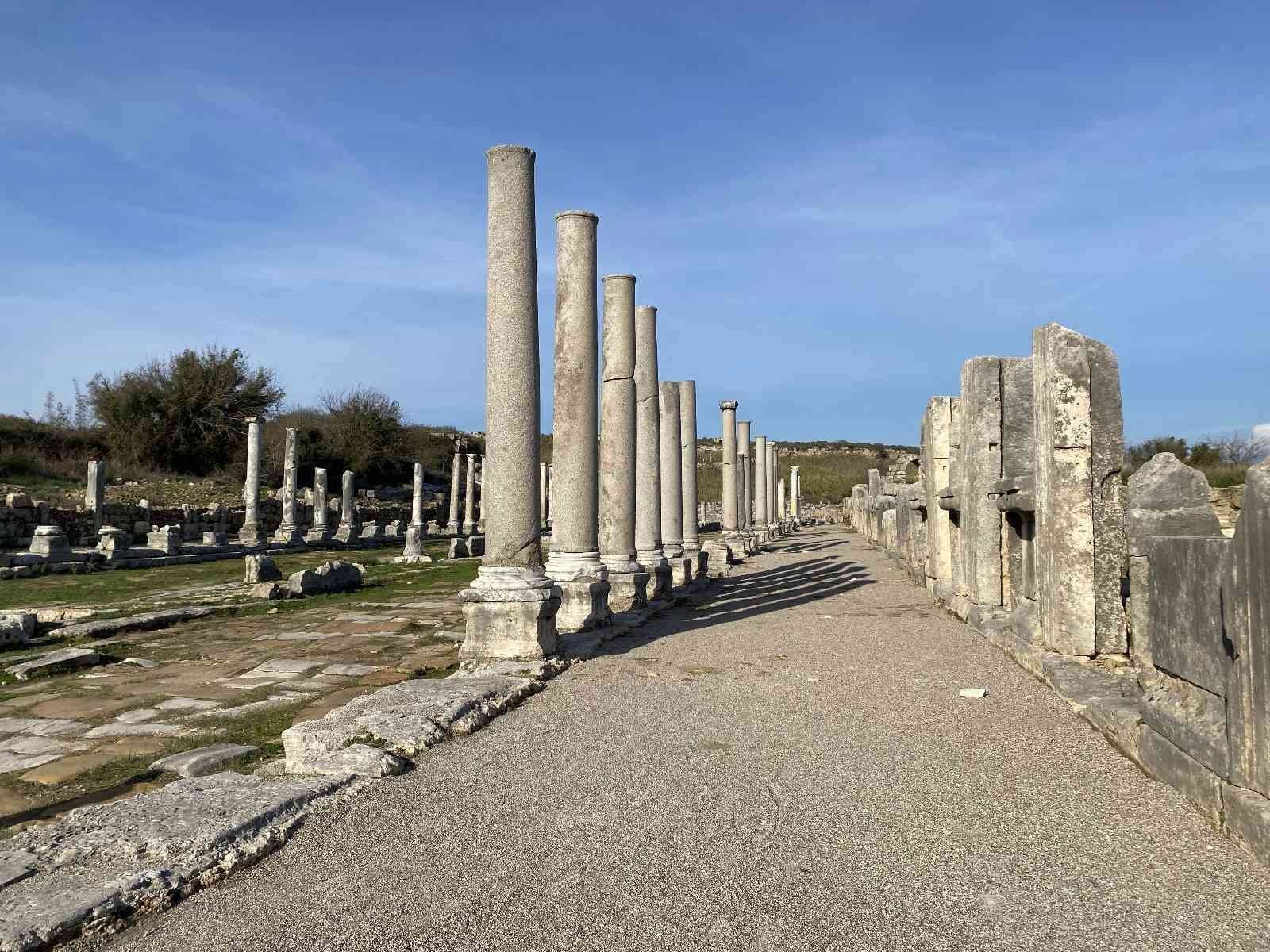
Perge, one of the chief cities of Pamphylia, was founded around 1000 B.C. It was sited inland as a defensive measure in order to avoid the pirate bands that terrorised this stretch of the Mediterranean. Its ruins include a theatre, a palæstra, a temple of Artemis and two churches. The very famous temple of Artemis was located outside the town. As recorded in the biblical book, St. Paul the Apostle and his companion St. Barnabas twice visited Perge during their first missionary journey, where they 'preached the word' before heading for and sailing from Attalia (modern-day Antalya city).