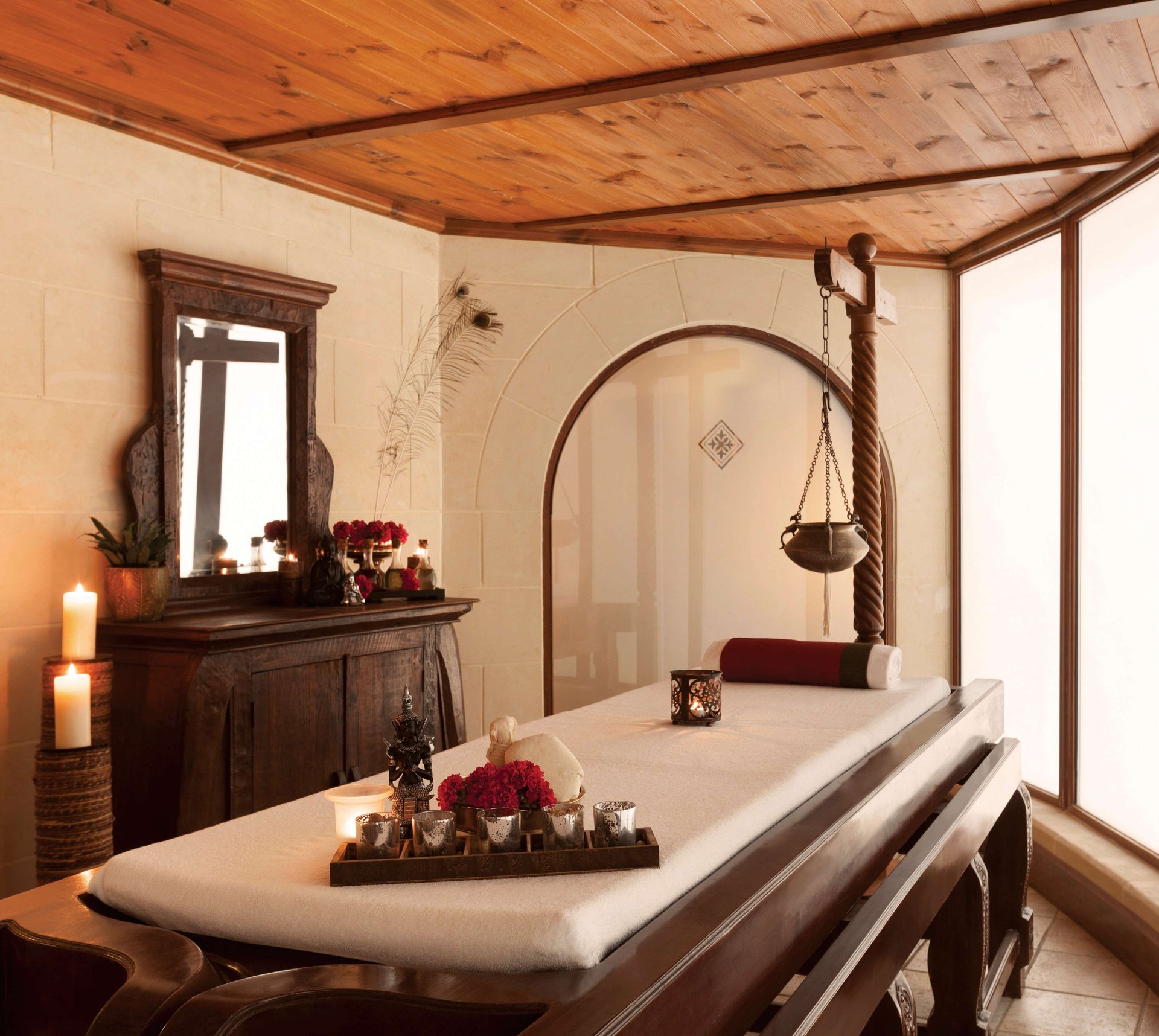
Ayurveda Centre
For more than 5,000 years, the ancient practice of Ayurveda has employed healing techniques that use the natural powers of herbs and medicinal oils.
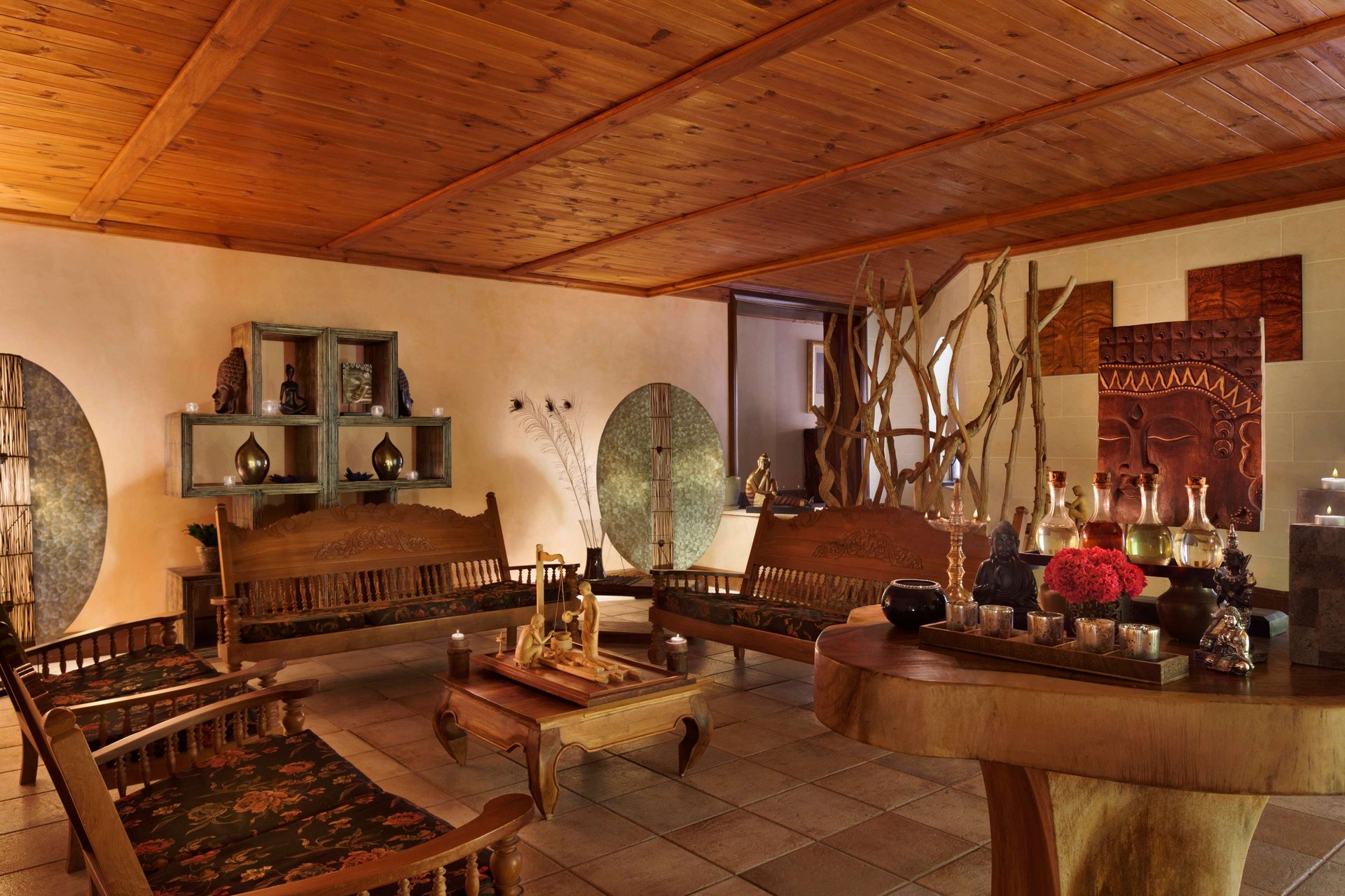
Ayurveda Centre
The Science of Ayurveda - Discovering the Ancient Healing Art
The early history of Ayurveda began around 1,500 BC, when it is estimated that the fundamental and applied principles of the system were organised and enunciated. The practice of Ayurveda traces its origins to the Vedas, a large body of Hindu knowledge, wisdom and cultural texts. Atharvaveda can be found among the Vedas, and contains 114 hymns or formulations for the treatment of diseases, and this is where Ayurveda has originated from.
One Ayurvedic theory asserts that each human possesses a unique combination of three subtle bio-energies, or "Doshas". These are known as "Vata" (nerve energy), "Pitta" (digestive energy) and "Kapha" (nutritive energy), and it is this combination that defines a person’s temperament and characteristics. According to Ayurvedic medical theory, the three doshas are important for a
persons health; when they are in balance the body will be healthy, and if they are not in balance, the body will be unhealthy.
Ayurveda Centre - Kempinski The Spa
We are proud to present The Mediterranean's largest and most authentic Ayurveda Centre here at Kempinski The Spa in Gozo, Malta. In this tranquil landscape, we blend authentic Ayurveda with an unparalleled five-star luxury experience, creating a truly transformative journey of balance and well-being.
Our Ayurveda expert, Dr Renjith Raveendran Pillai, provides professional consultations and recommends tailor-made programmes to fit the specific needs of every individual, including wellness therapies, nutritional supplements and lifestyle guidance. Our specially trained Indian Ayurveda therapists carry out the treatments, ensuring that every ritual is delivered with the utmost authenticity and precision.
Begin Your Wellness Journey
Experience ultimate rejuvenation with our Heavenly Bliss package, a luxurious 5-day Ayurvedic retreat and serene stay. Indulge in ancient healing therapies amidst tranquil surroundings, tailored to refresh your body, mind and soul. Discover blissful relaxation and embark on a journey towards holistic wellness with us.
Package includes
- 5 Ayurvedic treatments
- 3 complimentary Hatha Yoga 1 hr sessions during the stay (yoga, meditation & pranayama)
- Detoxifying herbal teas every day after the treatments
- Sumptuous daily Breakfast served at L'Ortolan
- 15% off on any additional Spa or Ayurveda treatments
Beyond our Heavenly Bliss package, our team can curate fully customized Ayurvedic programs tailored to your specific health goals, schedule, and wellbeing needs. Because true Ayurveda is as unique as you are, Dr. Pillai and our experts are here to design a journey crafted just for you.
Ready to curate your retreat? Contact us directly at [email protected] or call +356 2211 5800 to schedule a consultation with our Ayurvedic doctor.
Note: For a shared experience, few of our Ayurveda treatments can be accommodated as a Couples Massage in our dedicated couples' treatment rooms. Please note that these specific treatment options are not listed on the general menu. Kindly email or call us directly to inquire about available treatments and confirm your booking.
Opening hours:
Mon - Sun 10:00 - 19:00
Ayurveda Treatments

Traditional Massages
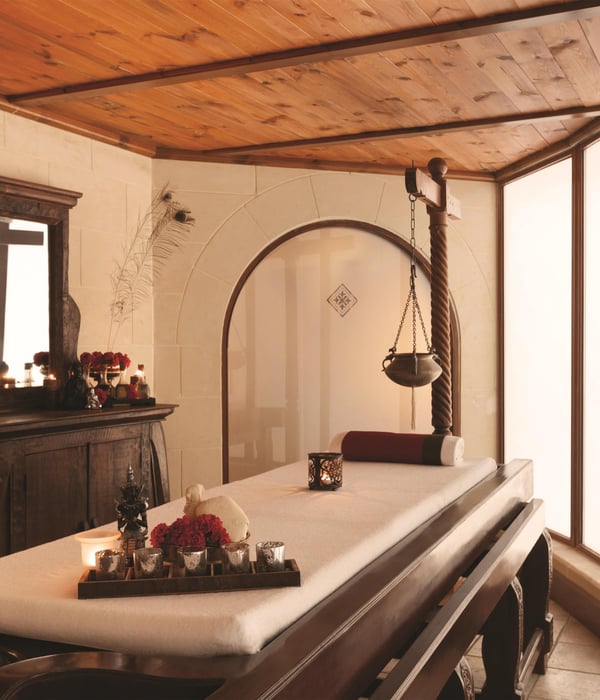
Signature Treatments

Body Treatments
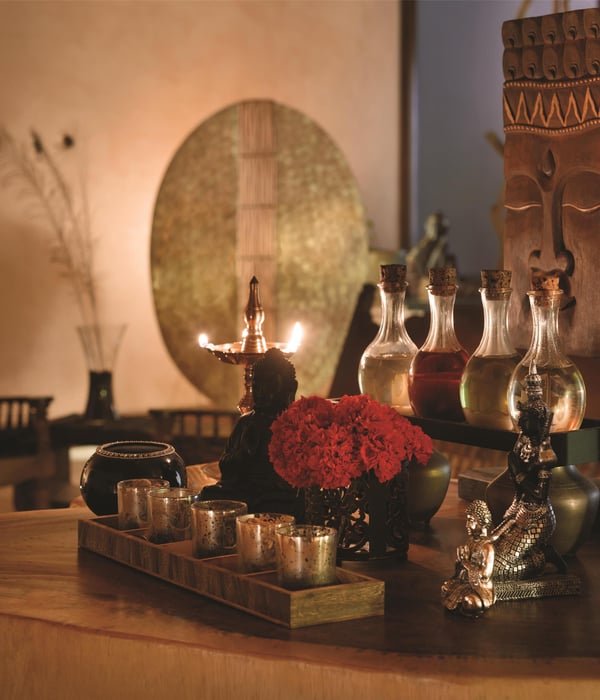
1-day Intensive Programmes
Additional Treatments
Traditional Massages
Signature Treatments
Body Treatments
1-day Intensive Programmes
Additional Treatments
or to enjoy up to 10% off your next stay.