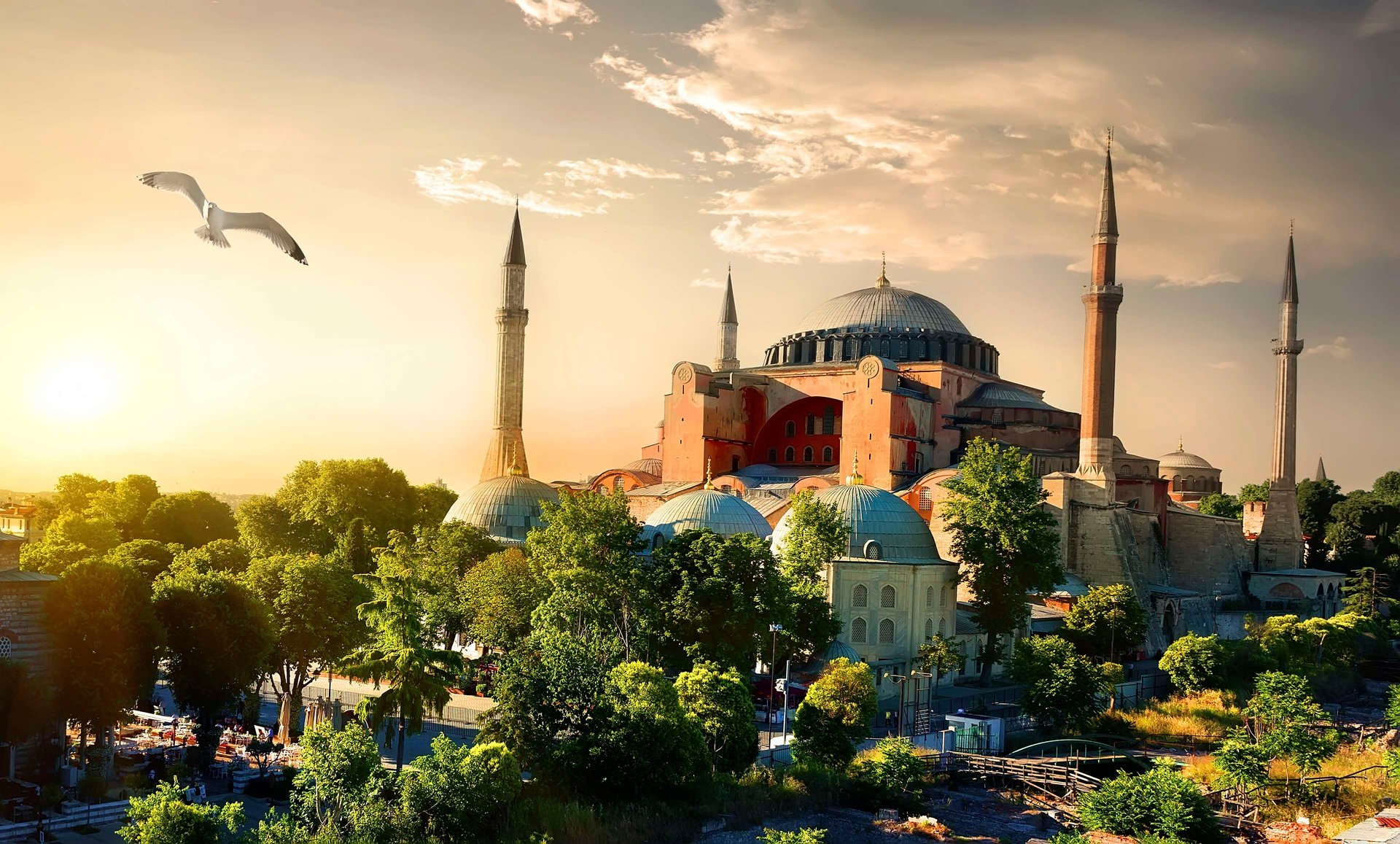
Hagia Sophia
Hagia Sophia Grand Mosque: A Timeless Masterpiece
Fatih, İstanbul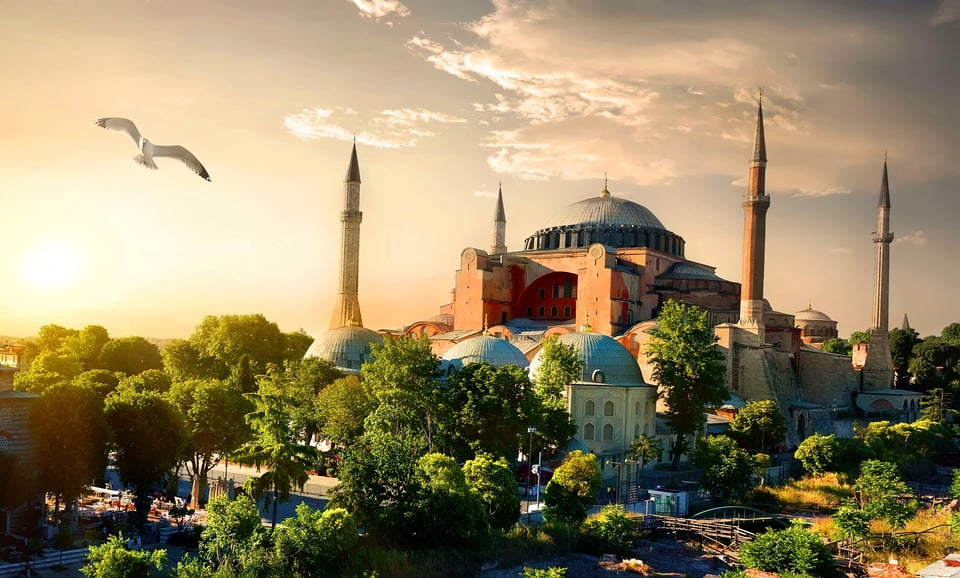
The iconic Hagia Sophia in Istanbul stands as a monumental symbol of the city's layered and rich history. Its very existence tells a story of empires rising and falling, of religious shifts, and of architectural innovation that transcended its time. Originally consecrated as a Christian cathedral in 537 AD by Emperor Justinian I, it was, for nearly a millennium, the largest Christian church in the world and a masterpiece of Byzantine architecture. Its conversion into a mosque after the Ottoman conquest in 1453 by Sultan Mehmed II marked a profound shift, adding minarets, a mihrab, and a minbar, while many of its Christian mosaics were plastered over or covered.
Later, in 1935, it was transformed into a museum, a gesture intended to highlight its universal historical and cultural value, allowing both its Christian and Islamic artistic heritage to be appreciated. Most recently, in 2020, it reverted to being a mosque.
What makes Hagia Sophia truly unique and awe-inspiring is its colossal dome, an engineering marvel for its era, seemingly floating above the vast interior space. Its elaborate mosaics, some now uncovered, depict Christian figures and scenes, while the grand Islamic calligraphy panels adorn its walls, showcasing a breathtaking blend of Byzantine church and Ottoman Mosque architectural and artistic elements. This fusion of styles, from the massive buttresses to the delicate Islamic calligraphy, creates an unmatched visual dialogue between two major world religions and cultures.
As a UNESCO World Heritage site, Hagia Sophia encapsulates centuries of religious and cultural transformation, serving not just as a building, but as a living chronicle of Istanbul's identity. It continues to draw millions, inspiring wonder and reflection on the enduring power of human artistry and belief.
Distance to the hotel
- The hotel is just a 35-45 minute journey by car or public transport.
Transfer & Concierge Service
- For detailed information about our transfer services and concierge services, please click here.
or to enjoy up to 10% off your next stay.