Dolmabahçe Palace
Dolmabahçe Palace: Ottoman Grandeur on the Bosphorus
Beşiktaş, İstanbul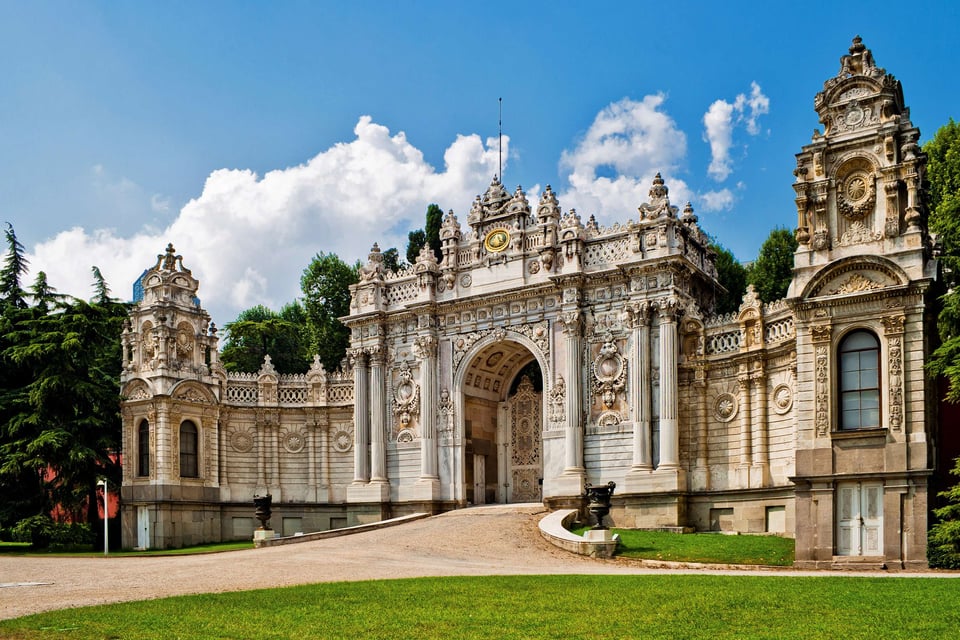
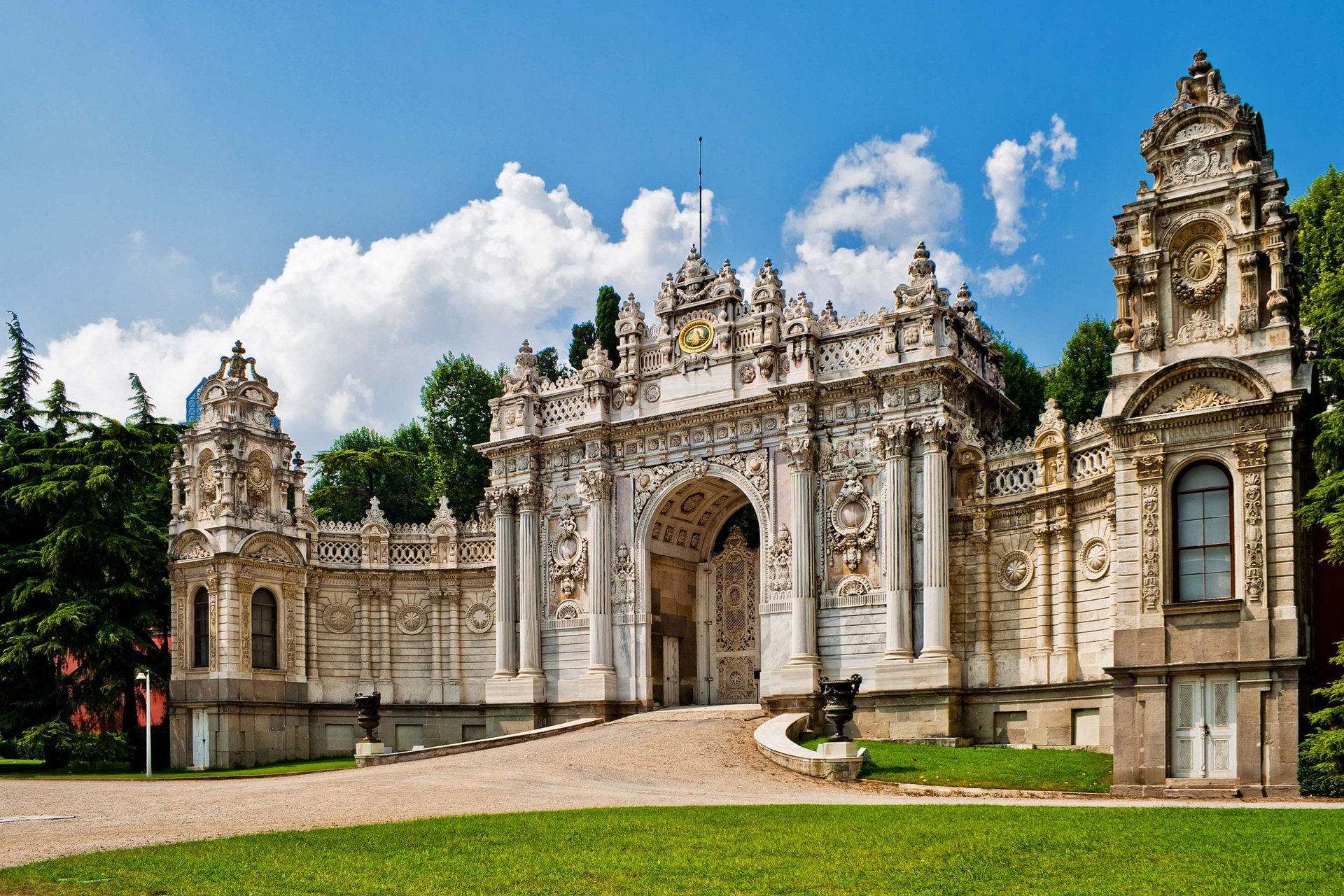
Nestled majestically on the European shore of the Bosphorus, the Dolmabahçe Palace Istanbul stands as a stunning testament to the late Ottoman Empire's unmatched opulence and its embrace of Western architectural influences. Built between 1843 and 1856 under the reign of Sultan Abdülmecid I, this lavish palace was conceived as a grand, modern administrative center for the Ottoman Empire, replacing the more traditional Topkapı Palace. Its construction was a monumental undertaking, reportedly costing five million Ottoman gold pounds, an immense sum equivalent to a quarter of the empire's annual tax revenue at the time. The palace's design is a breathtaking fusion of Baroque, Rococo, and Neoclassical styles, seamlessly interwoven with traditional Ottoman architectural elements. This eclectic blend creates a unique aesthetic that is both grand and intricate. Visitors are immediately struck by its sheer scale, boasting 285 rooms, 46 halls, 6 hammams, and 68 lavatories, all adorned with an astonishing level of detail.


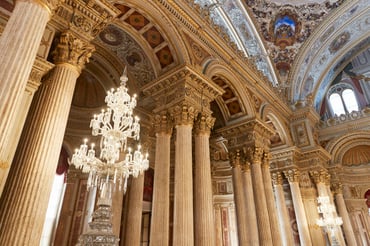
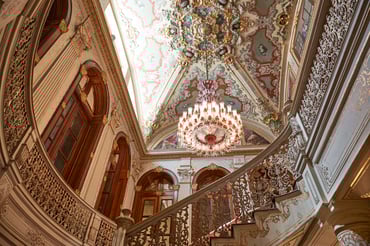
Inside, the palace is a dazzling display of wealth and artistry. Its interiors are characterized by an abundance of gold, crystal, and exquisite hand-painted ceilings. Among its most famous features are the ceremonial staircase with its crystal balustrade, the magnificent Crystal Gallery, and the Harem section, which housed the Sultan's family. The showpiece of the palace is undoubtedly the grand Ceremonial Hall, which houses the world's largest Bohemian crystal chandelier, a gift from Queen Victoria, weighing 4.5 tons and featuring 750 lamps. The palace also boasts an impressive collection of Baccarat and Bohemian crystal, Hereke palace carpets, and numerous paintings.
Beyond its architectural grandeur, Dolmabahçe Palace holds immense historical significance. It served as the primary residence and administrative hub for six Ottoman Sultans until the abolition of the Caliphate in 1924. Following the establishment of the Turkish Republic, the palace took on a new role as a presidential residence. It was here that Mustafa Kemal Atatürk, the revered founder of modern Türkiye, resided during his visits to Istanbul and where he tragically spent his final days, passing away on November 10, 1938. His room within the palace is preserved as a museum, a poignant reminder of his legacy.
A visit to Dolmabahçe Palace offers more than just a tour of a historical building; it provides a profound glimpse into a pivotal era of modern Turkish history, showcasing the transition from imperial luxury to the birth of a new republic. The palace stands not only as a symbol of Ottoman splendor but also as a monument to the enduring spirit of a nation.
Distance to the hotel
- The hotel is just a 15-20 minute journey by car or public transport, or a 25-minute walk away.
Transfer & Concierge Service
- For detailed information about our transfer services and concierge services, please click here.
or to enjoy up to 10% off your next stay.