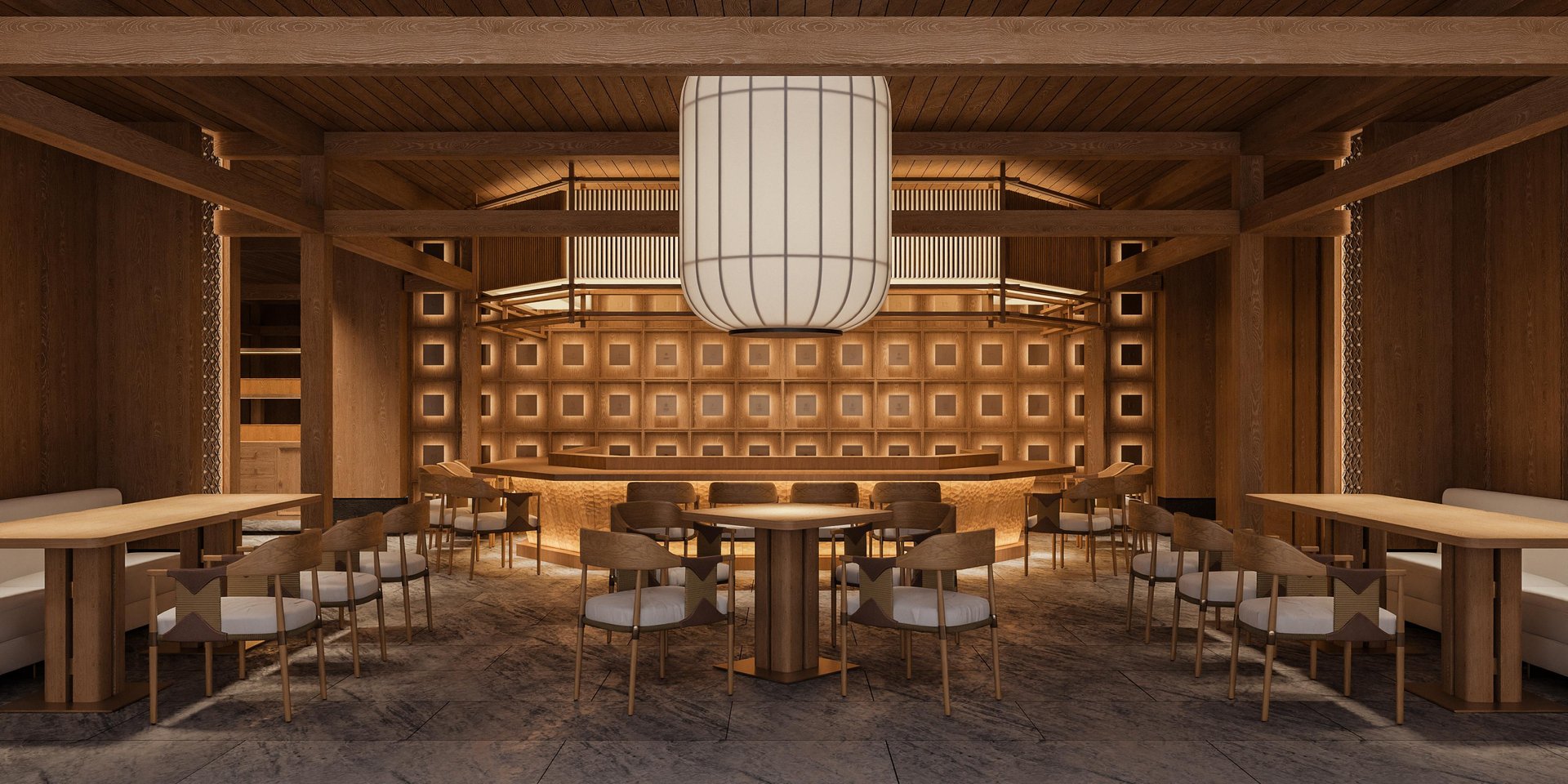
NAMI Teppanyaki
The resort introduces a refined teppanyaki dining experience shaped by Japanese philosophy, culinary precision, and the art of connection
An Award-Winning Resort’s Newest Chapter: The Apurva Kempinski Bali Opens NAMI
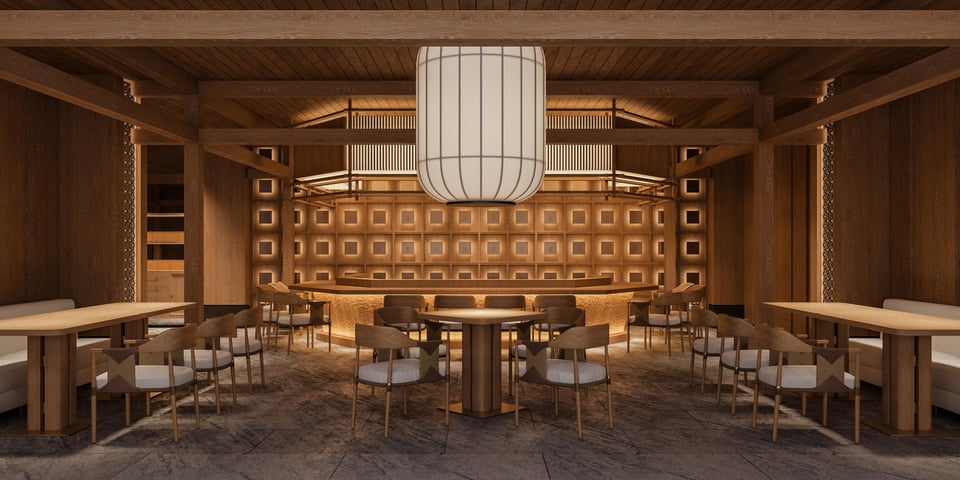
Nusa Dua, Bali - 23 September 2026 - The Apurva Kempinski Bali announces the opening of NAMI, its newest culinary destination and a refined interpretation of Japanese teppanyaki.
Meaning ‘wave’ in Japanese, NAMI marks the latest development in this majestic resort's culinary journey. Since opening in 2019, the resort has continued to strengthen its position through Indonesian gastronomy, international chef collaborations, and dining concepts that combine strong cultural foundations with contemporary execution.
“NAMI is a very special restaurant. No one else offers this concept in quite the same way we do,” said Vincent Guironnet, General Manager of The Apurva Kempinski Bali. “From the Namikase dining journey to the dedicated beverage specialists, every element comes together to create an experience that is truly distinctive to NAMI.”
Guided by the Japanese Significance of Five
The philosophy of NAMI is grounded in the Japanese reverence for the number five, which is associated with balance, harmony, completeness, and good fortune. This significance is translated into five principles that guide the restaurant.
Godai, the five elements of earth, water, fire, wind, and space, establishes the foundation. Fire sits at the centre of the culinary experience as the element responsible for energy and transformation. Gokan, the five senses, informs the way guests experience the restaurant through the food, aromas, sounds, materials, and close interaction around the table. Gomi, the five tastes of sweet, sour, salty, bitter, and umami, guides the composition of every menu. Goshiki, the five colours, brings the same sense of balance to the visual presentation of each dish.The fifth principle, Goen, refers to the meaningful connections and fortunate encounters that bring people together. In Japanese tradition, it is associated with the five-yen coin, often offered at shrines when praying for good fortune. At NAMI, guests receive a traditional coin upon departure as a simple expression of this connection.
NAMIKASE
At the centre of NAMI’s culinary offering is Namikase, an original concept inspired by the Japanese omakase tradition of entrusting the dining experience to the chef.
Presented as an 8, 9, or 10-course menu at the private table, Namikase is built around anticipation and discovery. Guests may communicate their preferences, allergies, and dietary restrictions before allowing the chef to determine the progression of ingredients and courses.
The 8-seats private dining room offers NAMI’s most intimate experience, bringing the chef closer to a small group of guests and allowing the rhythm of the menu to be adjusted throughout the evening. In the main dining room, guests can experience a five-course menu within a composed 50-seat setting. A dedicated children’s menu is also available. While the formats differ in scale, both offer the same culinary approach, beverage programme, and level of service.
NAMI reconsiders the familiar teppanyaki format by moving away from hibachi-style entertainment and the heavy, raised griddle as the dominant feature between chef and guest.
A Beverage Programme Led by Sake and Tea
NAMI’s beverage programme has been developed to complement the menu through three specialised expressions: sake, tea, and matcha.
A certified Sake Sommelier presents a curated selection from a dedicated sake trolley, allowing guests to explore different origins, rice-polishing levels, vessels, and serving temperatures directly at the table.
Particular attention is given to kanzake, the traditional practice of serving sake warm. Each sake is brought gently to a precise temperature chosen according to the character of the bottle and the course it accompanies. The process can open its aroma, soften its structure, and create a different relationship with grilled and seared flavours.
Tea forms the foundation of NAMI’s cocktails and mocktails. Led by the Tea Master, the experience begins with the introduction of the selected leaf, followed by its preparation and an explanation of its pairing with the menu. The character of the tea remains identifiable in every drink rather than being reduced to a garnish or secondary flavour.
A traditional matcha ceremony provides a further connection to Japanese culture, complementing the principal sake and tea experiences without overtaking them.
NAMI welcomes guests from 22 September 2026 at The Apurva Kempinski Bali. For inquiries and reservations, contact [email protected]
or to enjoy up to 10% off your next stay.