Prepare your Stay
Everything you need to know
Check-in/Check-out Time
- Check-in 15:00
- Check-out 12:00
Vignette
If you are traveling by car from abroad, please note that a vignette is required for all vehicles up to 3.5 tons to use Swiss highways. The most convenient way to purchase a vignette is at local gas stations or customs offices at the border. It must be affixed to the windshield before driving on highways.
Road Conditions
Snow and ice are common on the roads in the canton of Obwalden, especially during the winter months. Therefore, we strongly recommend appropriate winter equipment. Snow chains are also required at certain times on some mountain and pass roads.
Visa regulations
Every traveller must have a valid passport. Depending on the country of origin, a visa may be required to enter Switzerland. Click here to see a full list of visa obligations by country. Visa application forms can be downloaded and filled out here and have to be sent to the Swiss diplomatic/consular mission. As it can take up to eight weeks to process, the application process should be started early enough. The cost for a visa is approximately CHF 60.
Security
Switzerland has one of the lowest crime rates throughout all developed nations. But of course it is always good to keep an eye on luggage and wallets in busy areas. Eating-out and drinking tap water is safe throughout Switzerland. Personal travel insurance is recommended, including coverage of personal accident, sickness or loss of luggage. Vaccinations for infectious diseases are only required if the traveler has been in an infected area during the 14 days prior to entering Switzerland.
Smoking policy
Since May 2010, smoking is forbidden in closed areas when they are open to the public. This means it is forbidden to smoke in restaurants, public buildings, offices and on public transport. For smokers, Kempinski Palace Engelberg offers the cosy Habanos Cigar Lounge.
Dogs
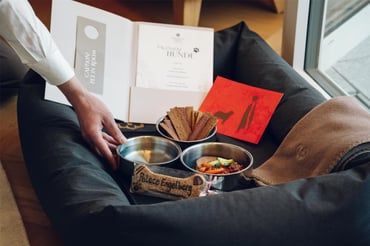
Up to a maximum of 30kg are welcome in some areas of our hotel. The accommodation package includes a dog bed, bowls with treats and a dog toy. Your four-legged friend's stay costs CHF 50 per night and dog.
Currency
The local currency is the Swiss Franc (CHF), with its minor unit "Rappen". Locals also refer to it as “Stutz”.
Language
While German is the official language, the local Swiss-German dialect of the Obwalden region is widely spoken. Most locals also have an intermediate level of English.
Outfit
When choosing an outfit, one should always keep the Alpine climate in mind. In winter, a warm jacket as well as gloves and a hat is highly recommended; in summer, a light jacket and sunglasses also come in handy.
Local Food
When it comes to restaurants in Engelberg, the variety ranges from pizza and pasta to Asian and Indian and from local to cosy and casual. If you are unsure of where to go, the concierges can always give the best recommendations and are happy to reserve a table in advance.
or to enjoy up to 10% off your next stay.