Some of the data collected by this provider is for the purposes of personalization and measuring advertising effectiveness.
Cookies are small text files that can be used by websites to make a user's experience more efficient.
The law states that we can store cookies on your device if they are strictly necessary for the operation of this site. For all other types of cookies we need your permission.
This site uses different types of cookies. Some cookies are placed by third party services that appear on our pages.
You can at any time change or withdraw your consent from the Cookie Declaration on our website.
Learn more about who we are, how you can contact us and how we process personal data in our Privacy Policy.
Please state your consent ID and date when you contact us regarding your consent.
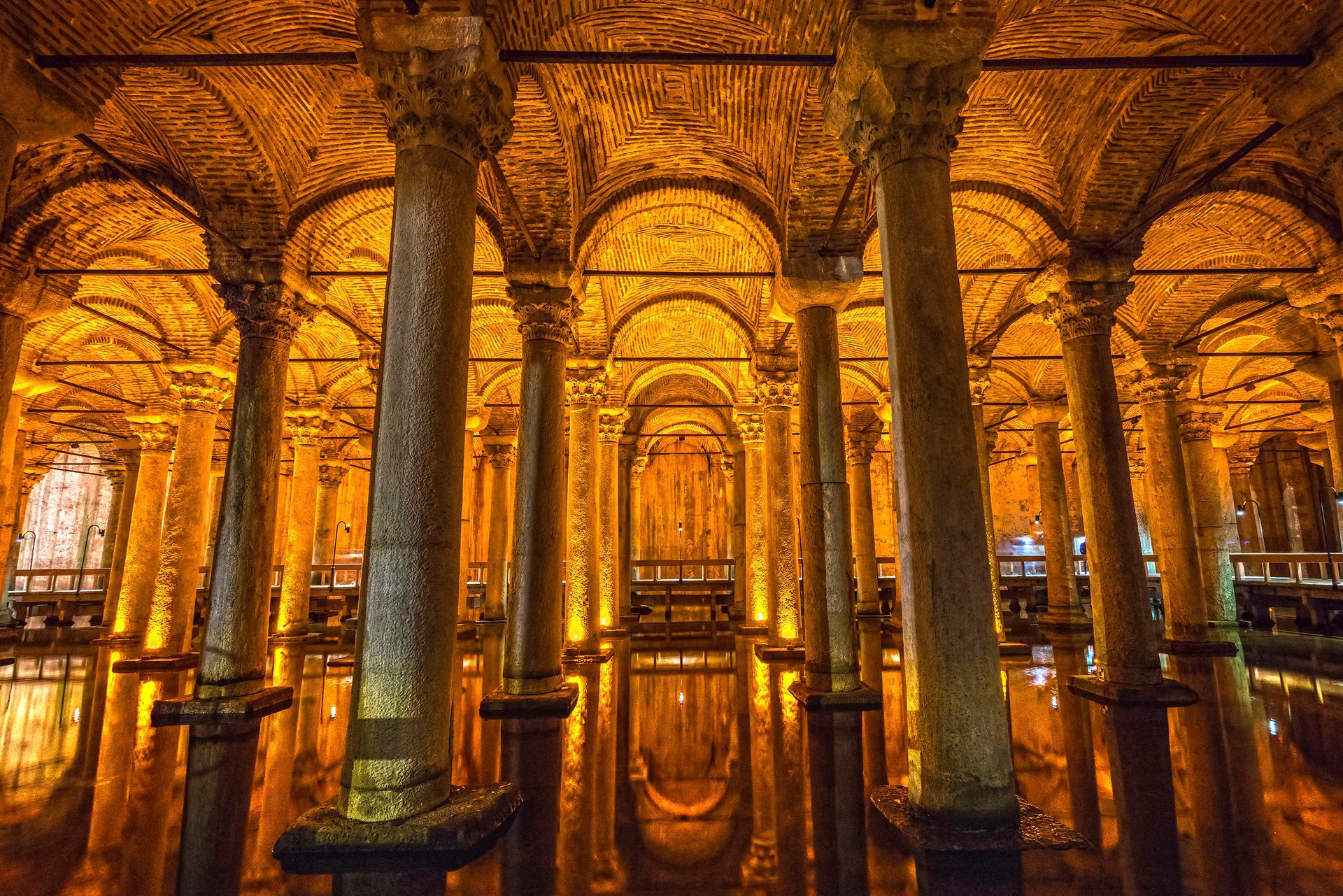
深入探索伊斯坦堡地下水宮(Basilica Cistern)的神秘深處,這座古老的地下水庫建於公元6世紀拜占庭帝國時期。當地人稱之為「沉沒的宮殿」(Yerebatan Sarnıcı),這座令人驚嘆的建築擁有數百根從水中升起的發光大理石柱,營造出一種空靈的氛圍。
該地下水宮由拜占庭皇帝查士丁尼一世於公元532年下令建造,主要用於為君士坦丁堡大皇宮及其周圍的皇家建築供水。這座地下水宮堪稱一項宏偉的工程,長約140米,寬70米,佔地近9800平方米。它能夠容納驚人的8萬立方公尺水,這些水是透過瓦倫斯渡槽從位於城市以北約19公里的貝爾格萊德森林輸送而來的。
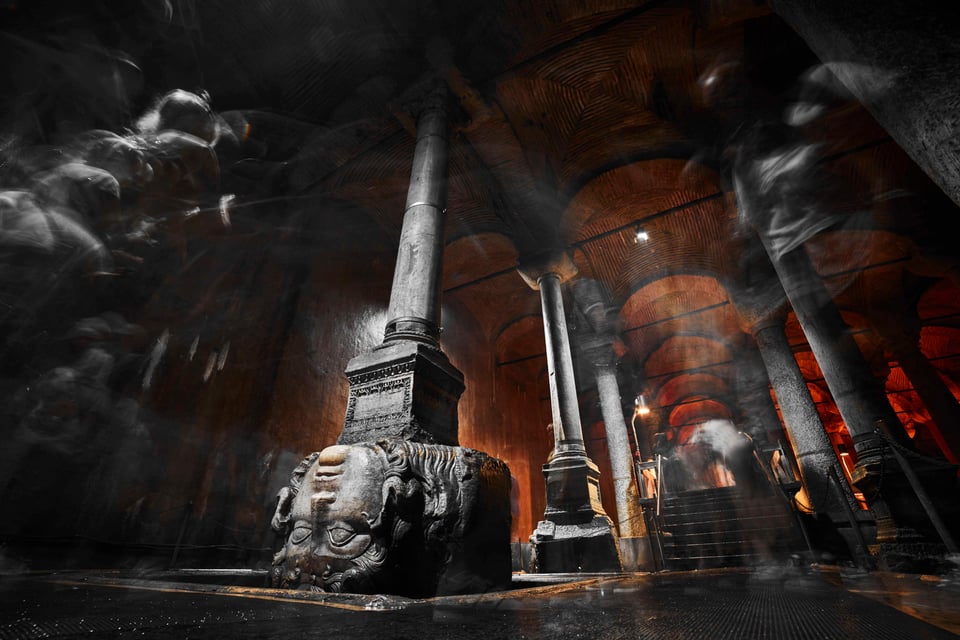
蓄水池由336根大理石柱組成的茂密森林支撐,每根柱高9米,排列成12排,每排28根。這些柱子中的許多都是從早期羅馬建築中回收的,展現出各種風格,包括愛奧尼式和科林斯式柱頭,有些甚至帶有雕刻圖案。最著名的景點是兩個美杜莎頭像,它們神秘地倒置並側放在柱腳上。它們的起源和確切用途仍有爭議,各種理論各不相同,從用作柱基到作為保護符號,或許是為了驅趕邪靈,或者僅僅是為了滿足柱子的尺寸要求。
1453年奧斯曼帝國攻占君士坦丁堡後,地下水宮一度繼續為托普卡帕宮供水,但最終被當局遺忘,直到1545年,研究拜占庭古蹟的荷蘭旅行家彼得魯斯·吉利烏斯才重新發現了它。如今,地下水宮是拜占庭建築的典範,也是真正獨特的歷史體驗,讓遊客得以逃離城市的喧囂,享受一絲清涼與寧靜,一窺伊斯坦堡豐富多彩的歷史。
距離酒店距離
接送及禮賓服務